
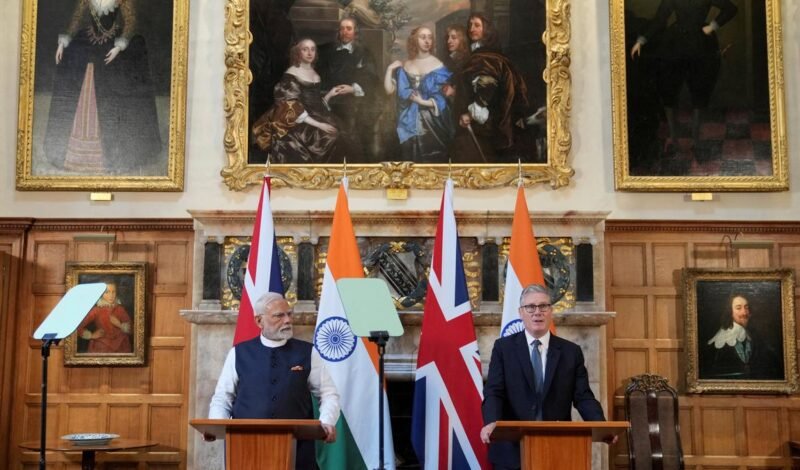
India and the United Kingdom share a historic and multifaceted relationship that spans centuries of cultural exchange, shared values, and deepening economic ties. The recent signing of the India–UK Comprehensive Economic and Trade Agreement (CETA) and the current visit of UK Prime Minister Sir Keir Starmer and his business delegation to India mark a significant chapter in this enduring partnership. This exciting new phase promises to unlock transformative opportunities for trade, investment, and collaboration between the two nations, promising progress and prosperity that will benefit businesses and citizens alike.
A Rich Cultural Foundation for Economic Partnership
The longstanding cultural ties between India and the UK provide a unique foundation for enhanced trade and business partnerships. Centuries of shared history have fostered mutual understanding and respect, making collaboration between Indian and British enterprises smoother and more synergistic. This cultural affinity eases communication barriers and builds relationships based on trust—critical ingredients for successful business endeavors.
In particular, the widespread use of English in India is a crucial advantage for the UK, facilitating seamless integration in sectors such as IT services, business process outsourcing (BPO), and digital marketing. Indian professionals’ English proficiency enables UK companies to outsource service functions with confidence, reducing costs while maintaining high quality and competitiveness in the global market.
Unlocking Outsourcing and Service Industry Opportunities
The India–UK Free Trade Agreement facilitates vibrant cooperation in the service sector, where India’s strength in delivering cost-effective, high-quality IT services, BPO, and digital marketing solutions is well known. For UK businesses, outsourcing to India means significant savings on operational expenses, enabling them to stay agile and competitive in an increasingly challenging global economy.
Outsourcing to India also accelerates innovation, as Indian companies bring cutting-edge technological skills and digital expertise. This win-win arrangement benefits Indian professionals through expanded job opportunities while empowering UK companies to focus on core strategic initiatives. Enhanced service sector collaboration will become a cornerstone of bilateral trade, generating job creation, knowledge sharing, and mutual growth.
Trading in Goods: Complementary Strengths
While service collaboration takes center stage, trade in goods between India and the UK continues to reinforce economic ties. India exports a diverse array of products to the UK, including pharmaceuticals, textiles, organic chemicals, machinery, and automotive components. These exports not only meet the demands of UK consumers but also supply vital inputs for British industries.
Conversely, India imports key products from the UK such as machinery, electrical equipment, precision instruments, and specialty chemicals. This bilateral exchange fosters a balanced and dynamic trade ecosystem in which both countries leverage their industrial strengths. The India–UK Free Trade Agreement aims to eliminate tariffs on the majority of traded goods, lowering costs, streamlining supply chains, and encouraging greater volumes of commerce.
Mutual Benefits for Progress and Prosperity
The culmination of these efforts will be a shared journey toward economic progress, innovation, and widespread well-being for citizens of both countries. By capitalizing on their complementary strengths—India’s large skilled workforce and English proficiency paired with the UK’s technological innovation and global market access—both nations are poised to enhance their global competitiveness.
This partnership also embraces a broader social dimension. Increasing business collaboration will result in job creation, enhanced skills development, and improved standards of living. It will stimulate entrepreneurship and foster new industries, expanding opportunities for youth and empowering communities.
A Future Fueled by Collaboration
The India–UK relationship is not just transactional; it embodies a vision of partnership enriched by cultural ties, mutual respect, and a common commitment to innovation and growth. The current trade agreement and business missions, including the presence of the UK Prime Minister and business leaders in India, symbolize this commitment and set the stage for an exciting era of cooperation.
Together, India and the UK will explore new frontiers in technology, services, and products, creating a powerful engine of growth and prosperity. The collaboration will strengthen trade, empower industries, and create a robust business environment that benefits all stakeholders.
Conclusion
Webpreneurs and Business leaders from India, We warmly Welcome the UK Prime Minister Sir Keir Starmer and the UK business delegation, recognizing this historic moment as a step toward deeper economic collaboration. The India–UK Comprehensive Economic and Trade Agreement is a beacon of promise, illuminating pathways for innovation, trade, and partnership.
Through our shared cultural bonds, aligned economic interests, and dedication to progress, we anticipate a future of growth and happiness for both nations. India and the UK stand united in their ambition to build a prosperous, competitive, and collaborative global future—one opportunity at a time.